Architectural Designation — The Caesarea Royal Palace is designated as KeyPrice Ultra Elite Collection in recognition of its exceptional scale, extraordinary European-inspired architectural expression, highly curated interiors, resort-level amenities and rare positioning within Israel's ultra-luxury residential market.
Architectural Designation — The Caesarea Royal Palace is designated as KeyPrice Ultra Elite Collection in recognition of its exceptional scale, extraordinary European-inspired architectural expression, highly curated interiors, resort-level amenities and rare positioning within Israel's ultra-luxury residential market.
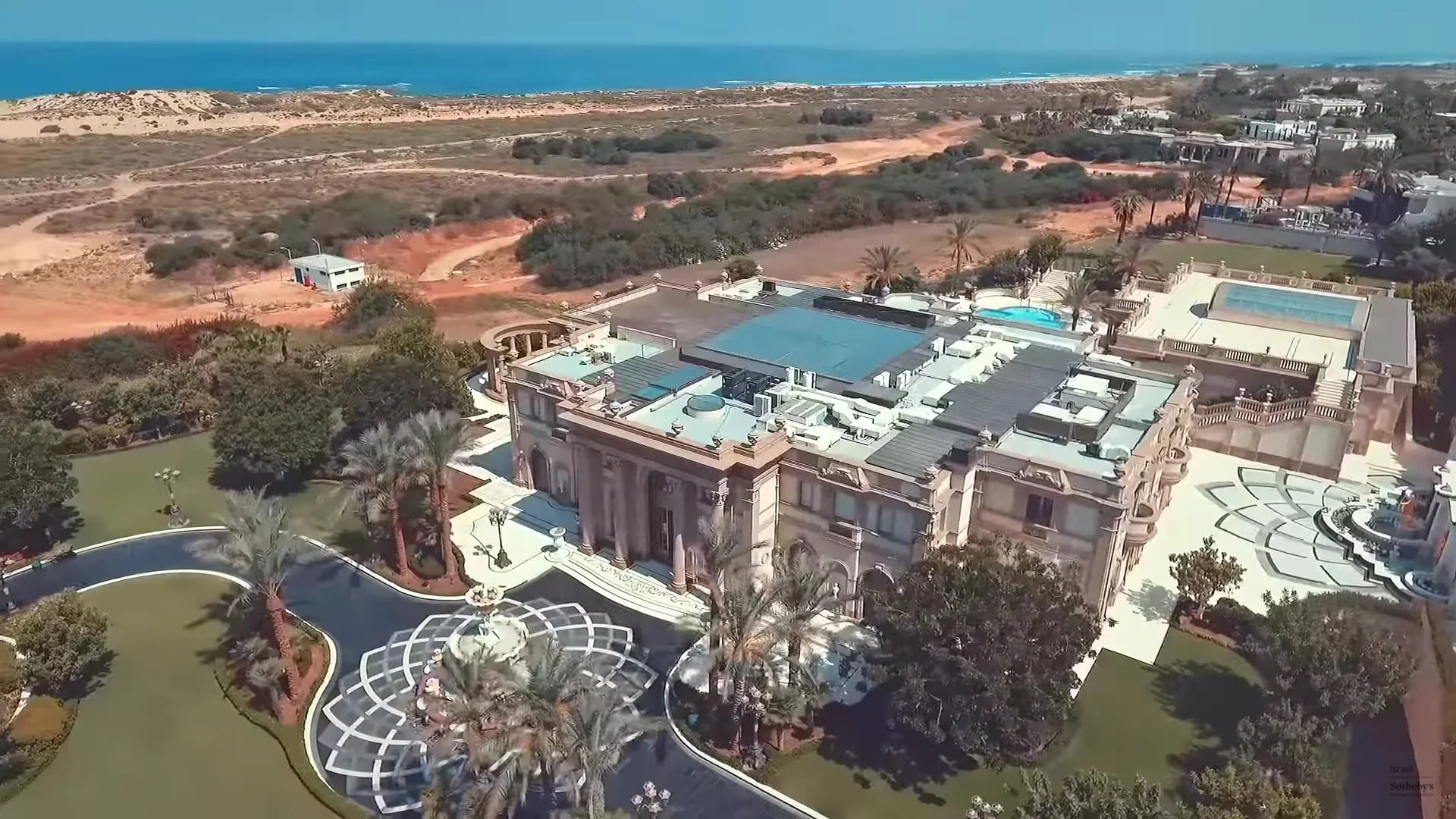
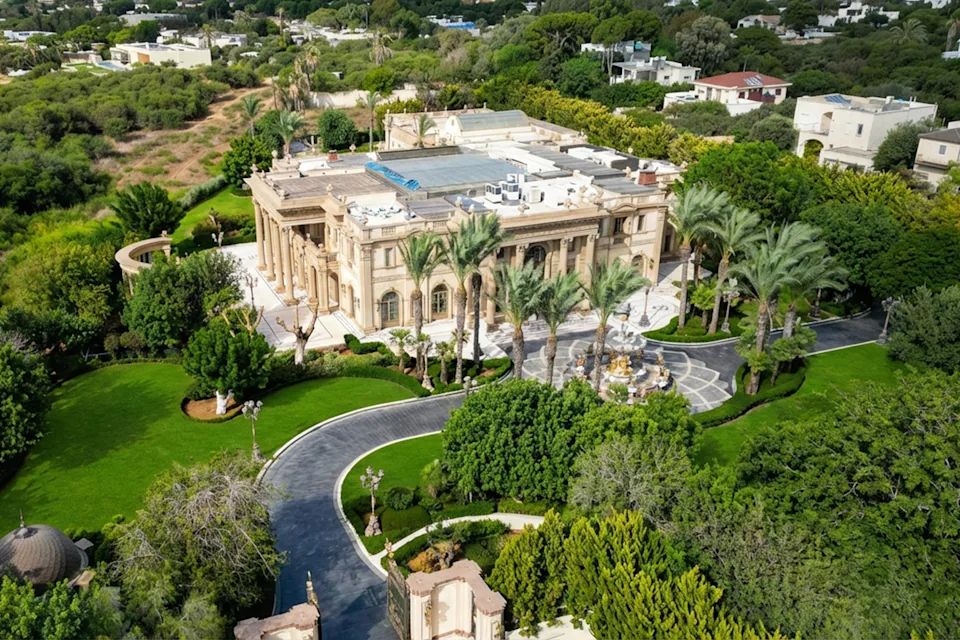
Set within the prestigious coastal environment of Caesarea, Israel, this extraordinary private estate represents a highly unusual proposition within the country's trophy-property segment. Offered at US$210 million, the residence combines approximately 63,130 square feet of living area with a 2.71–2.72-acre estate, creating a scale rarely encountered within the Israeli luxury residential market.
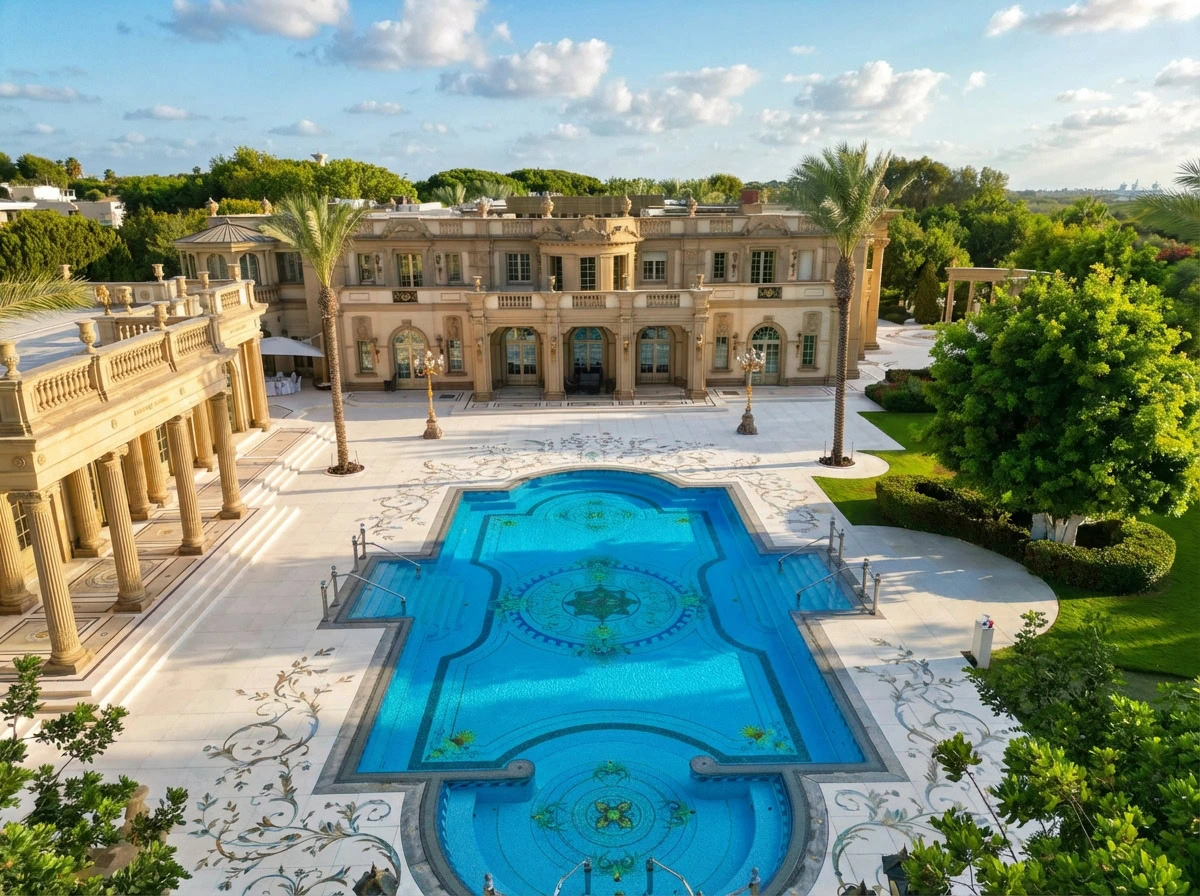
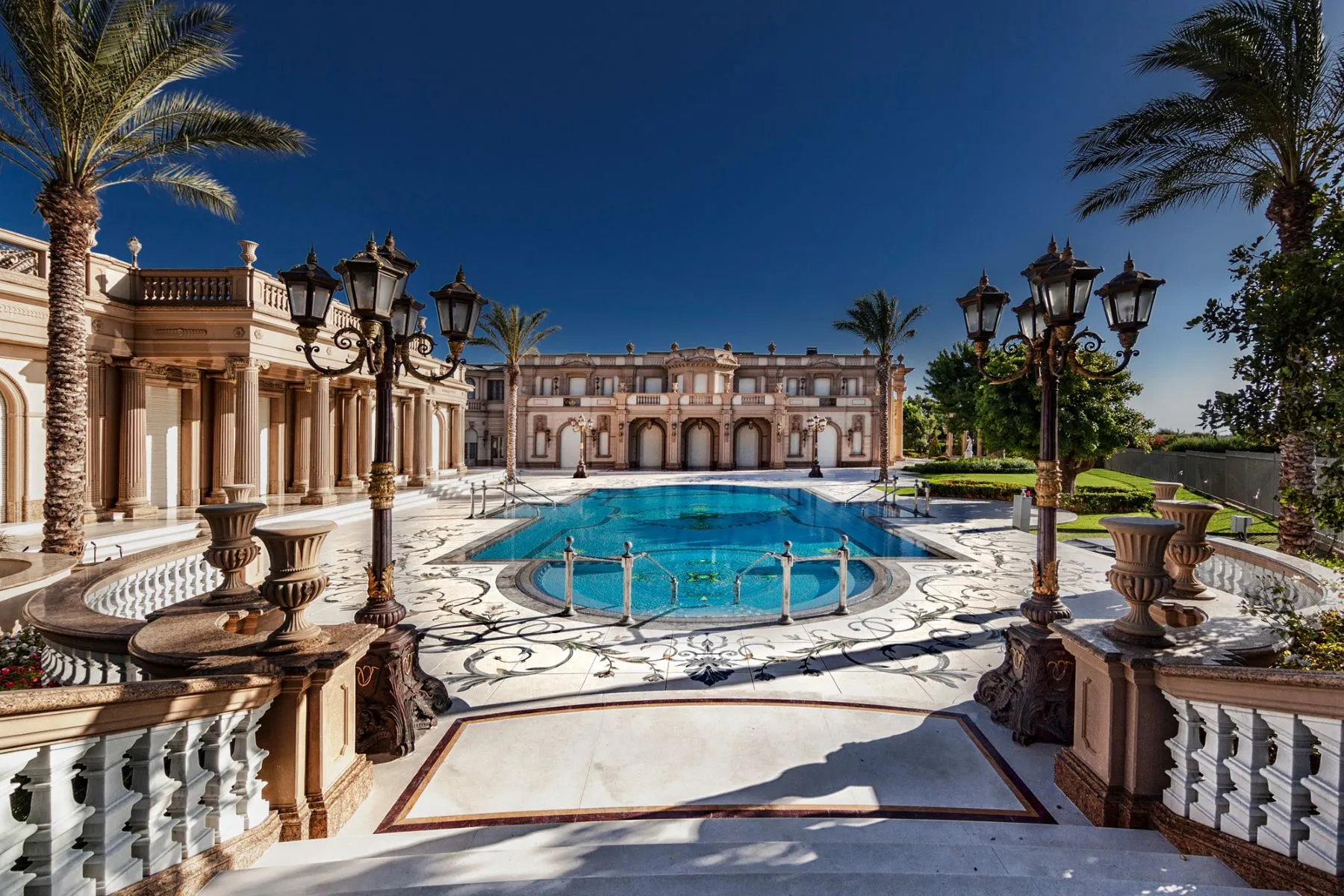
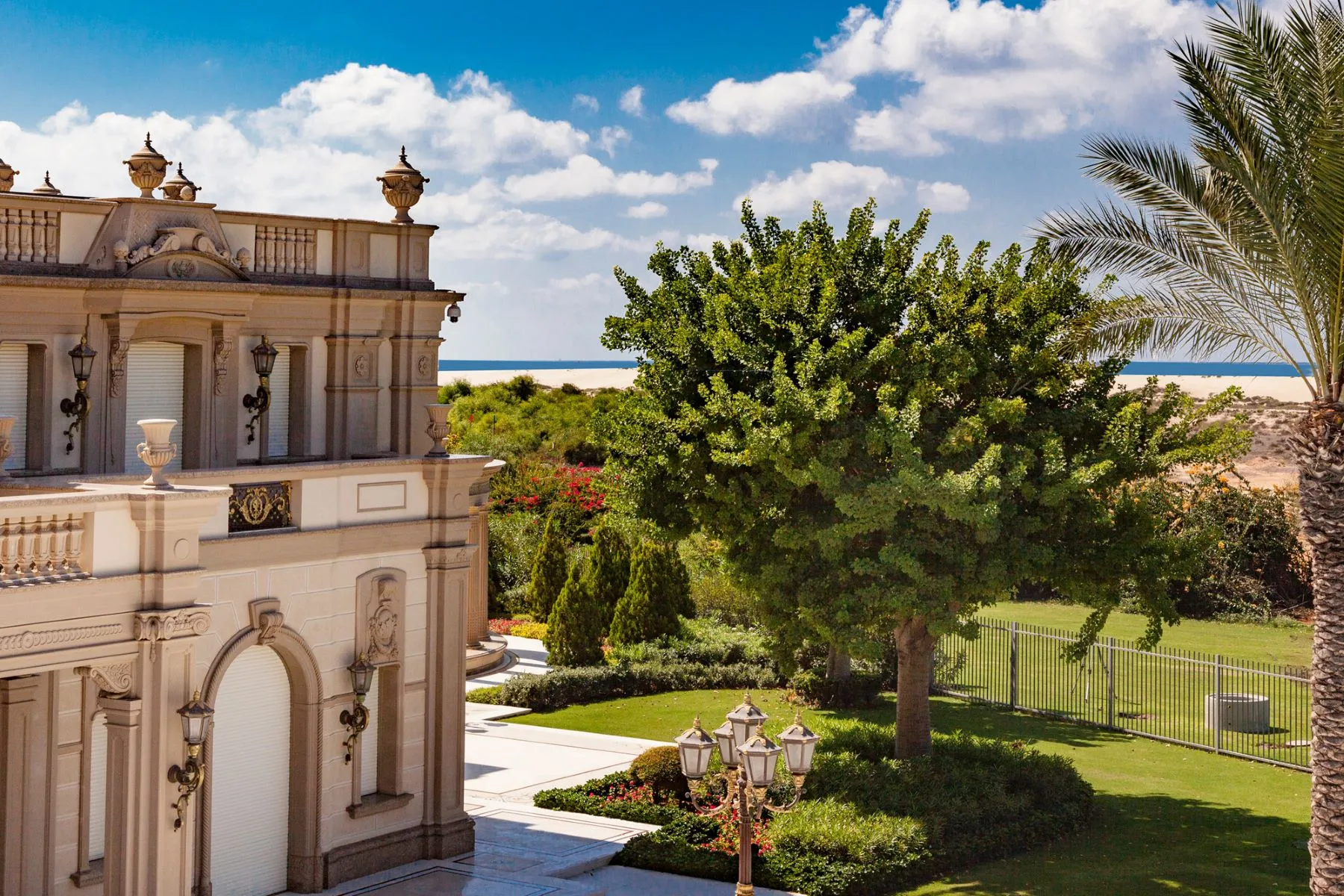
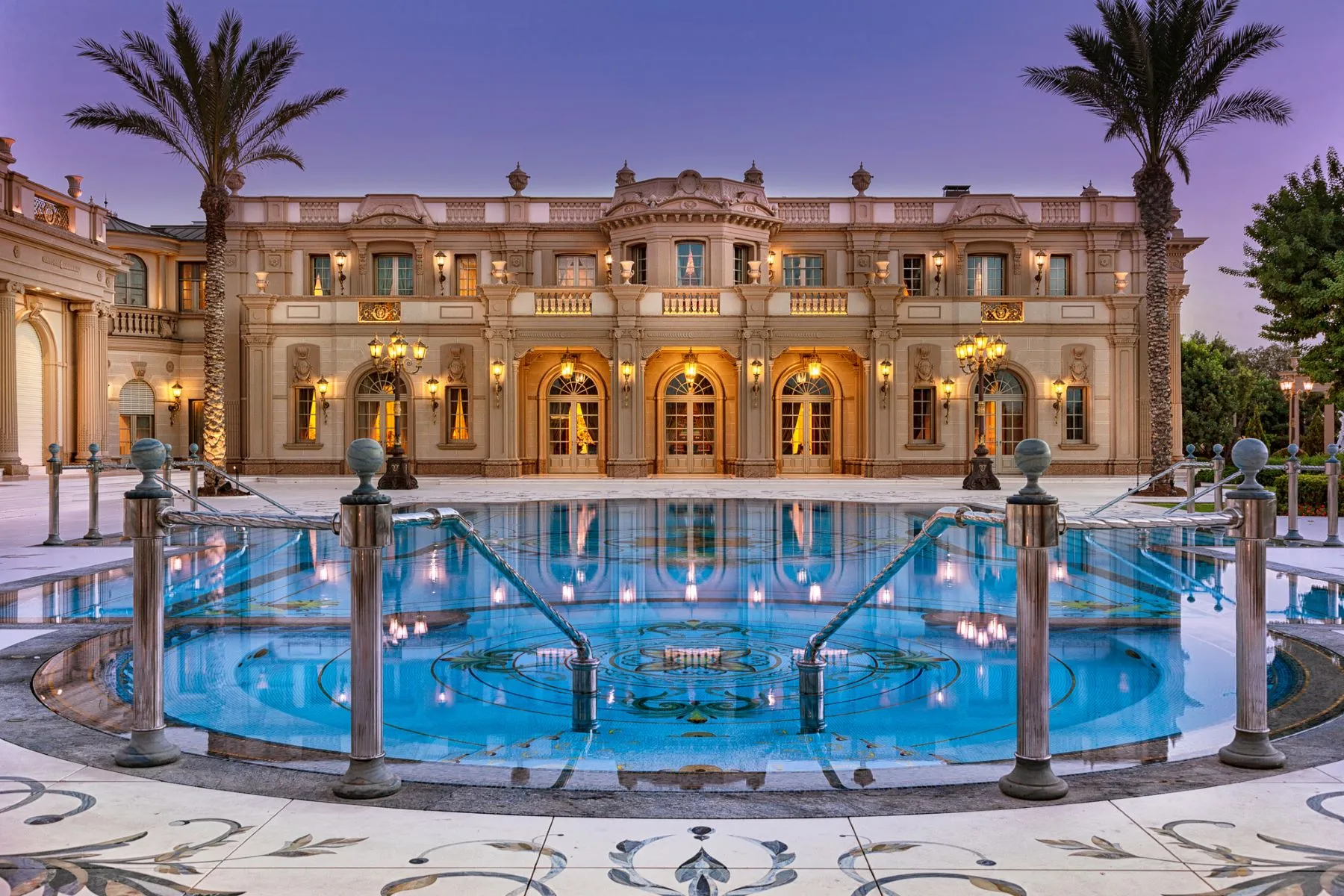
The property's architectural identity is defined by an elaborate interpretation of Baroque and Rococo architecture, combined with European royal-style interiors and integrated high-tech controls. Rather than presenting as a conventional contemporary villa, the residence is conceived as a private palace — an environment in which monumental architecture, elaborate materials, landscaped grounds and resort-scale amenities are brought together under one estate.
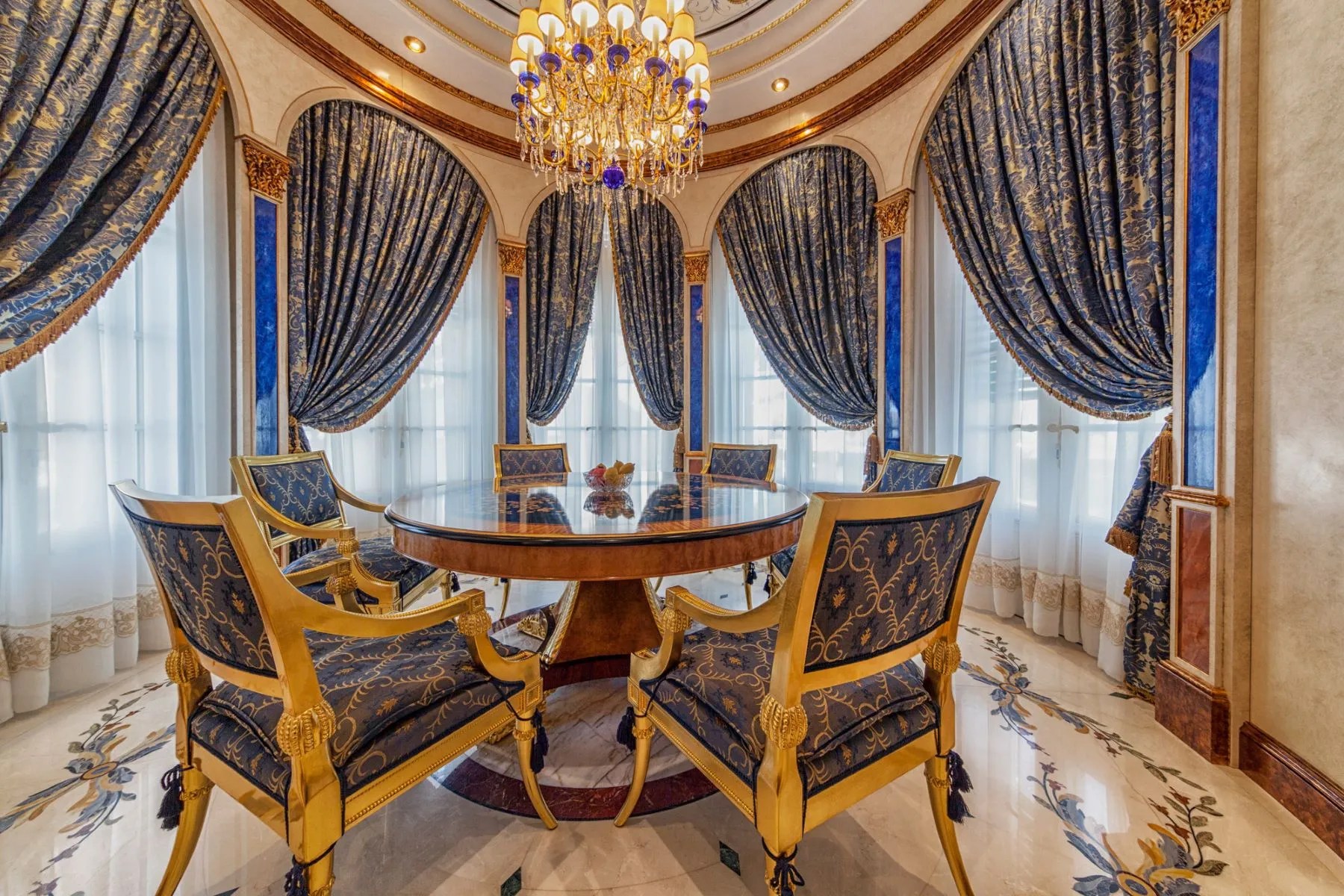
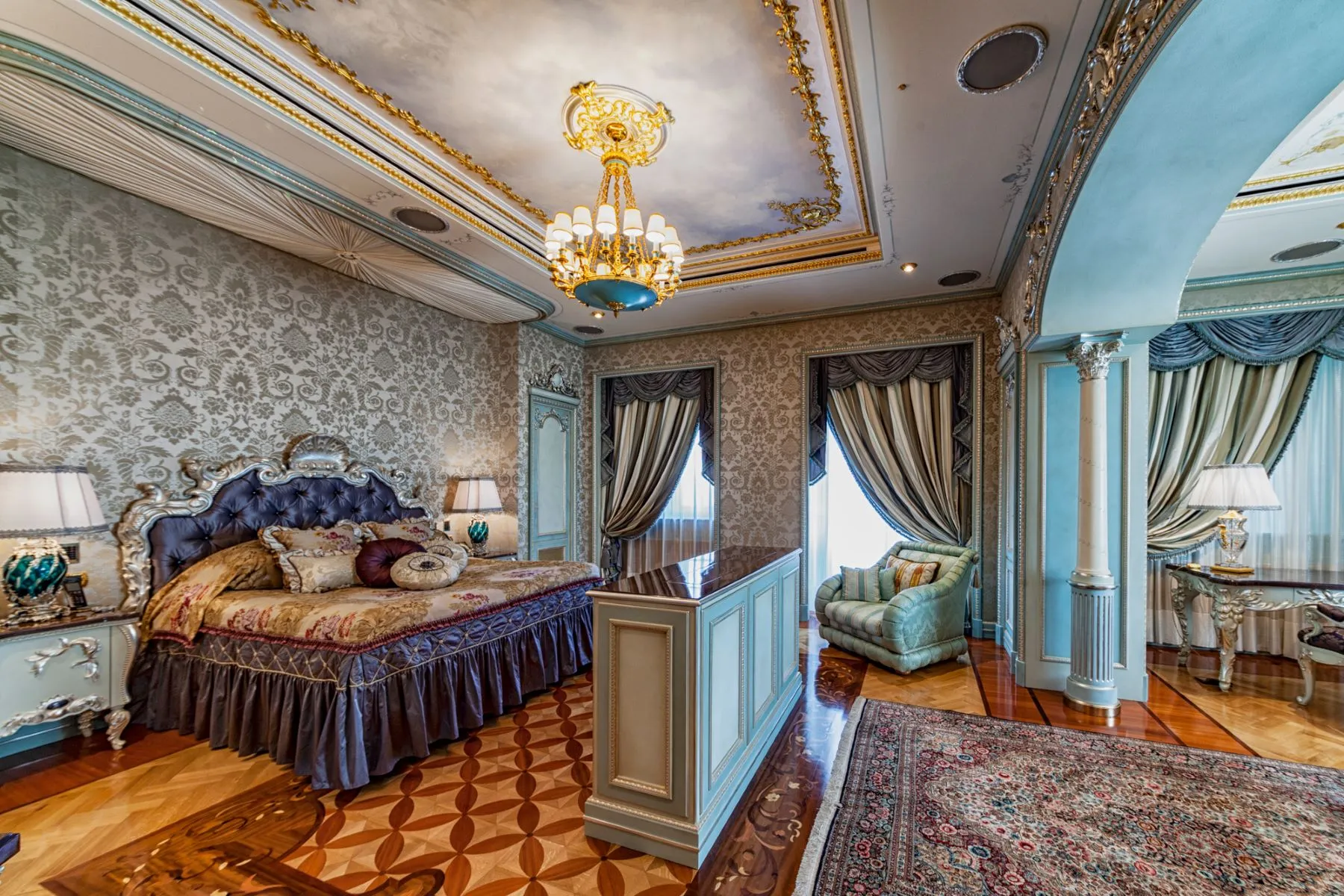
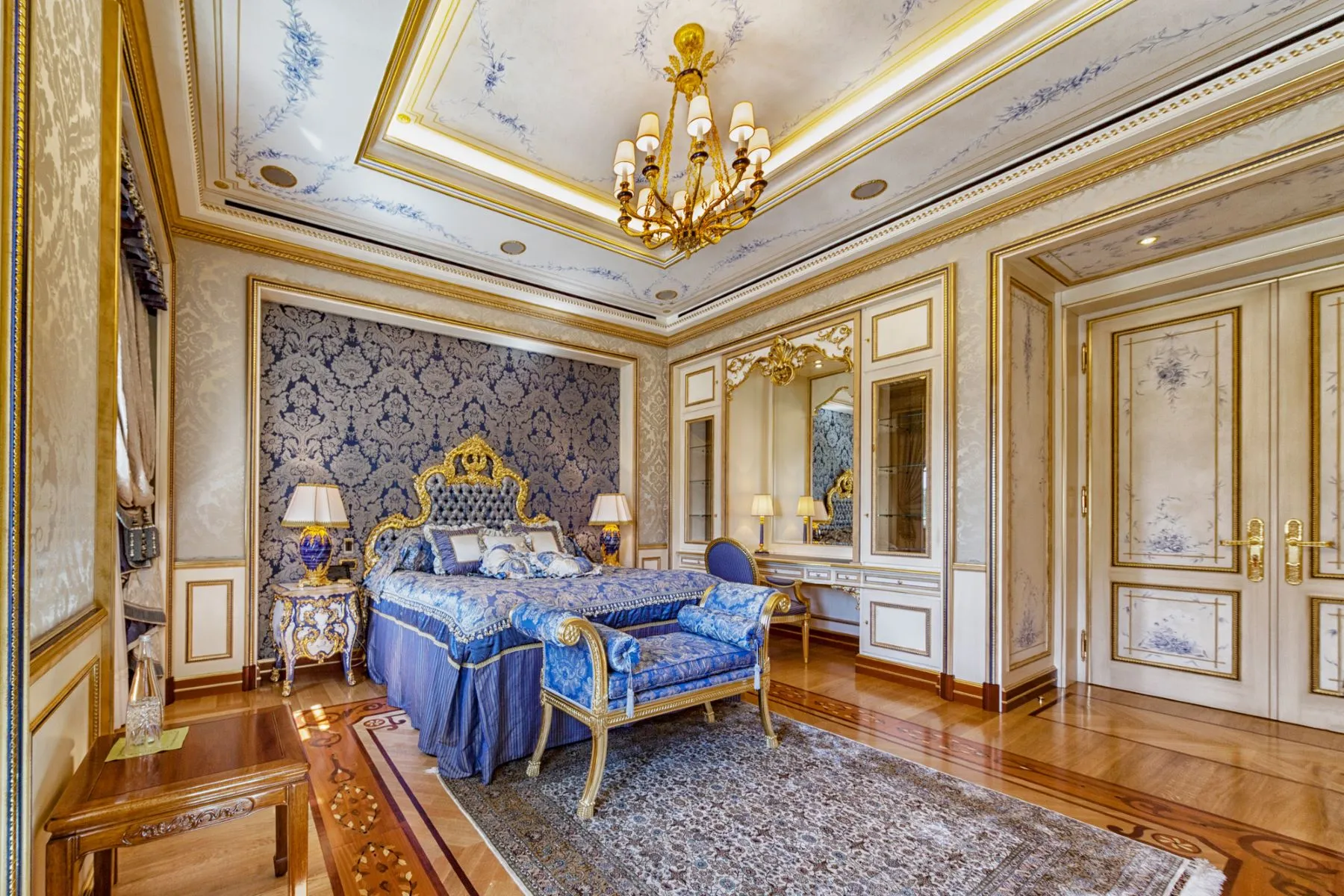
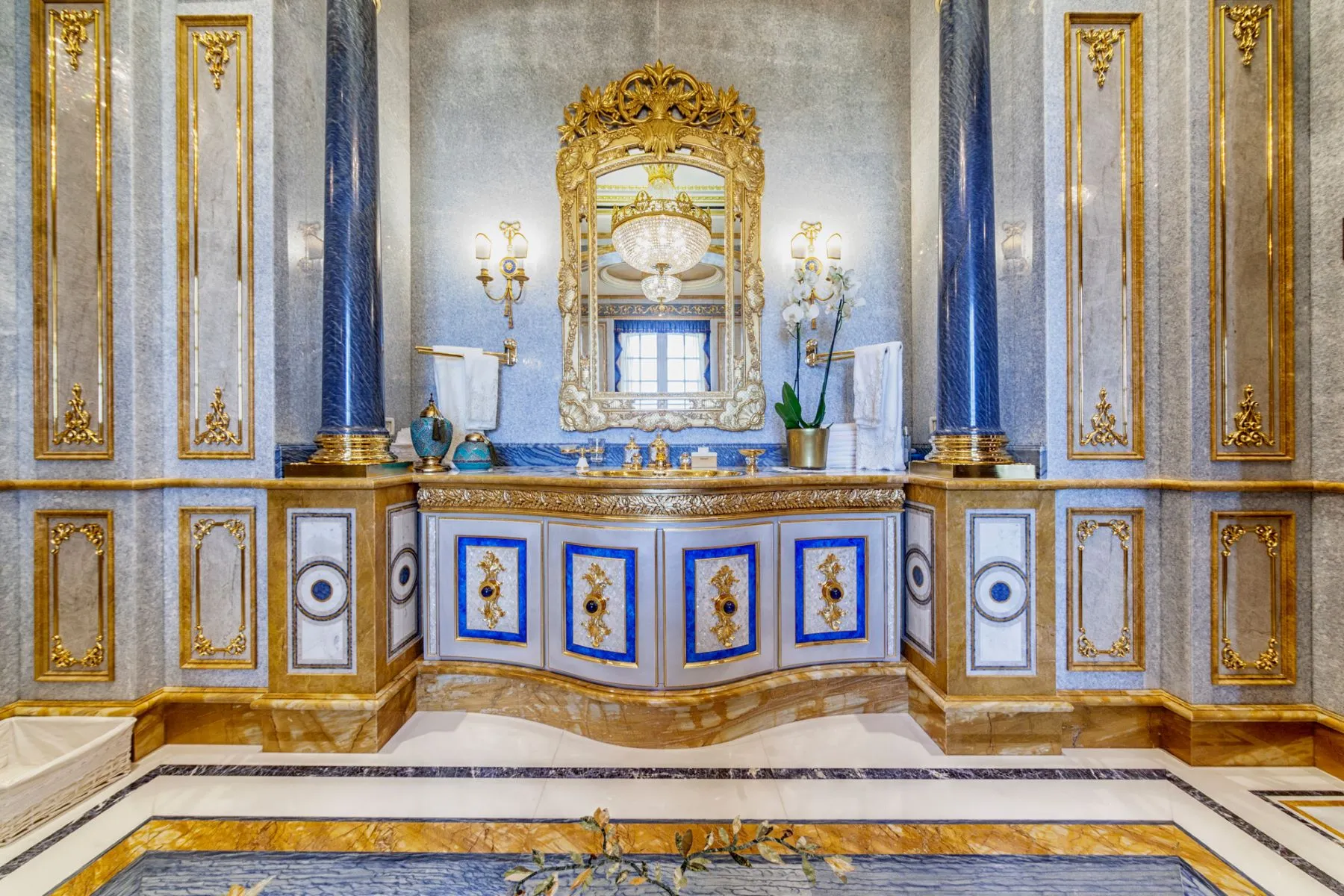
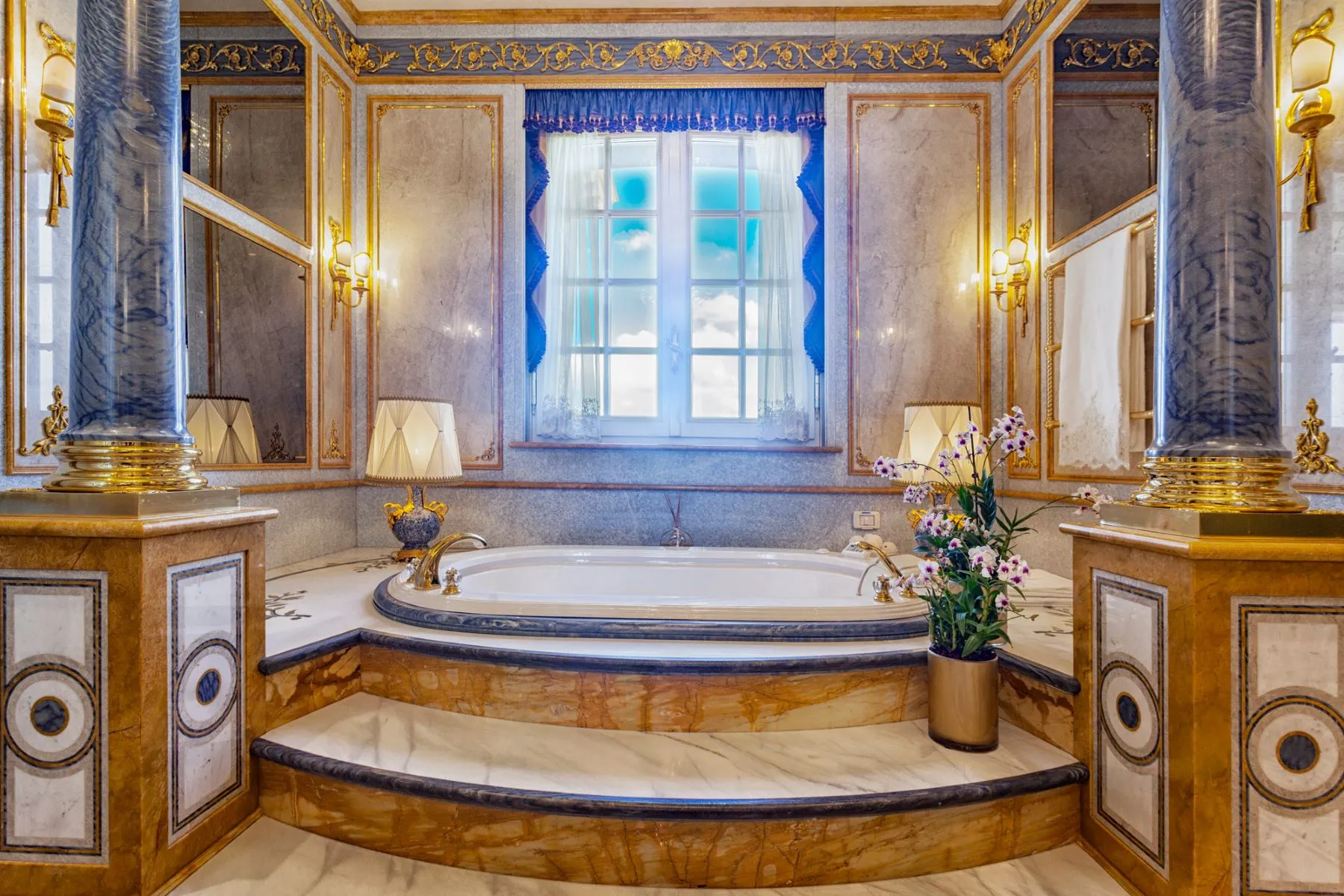
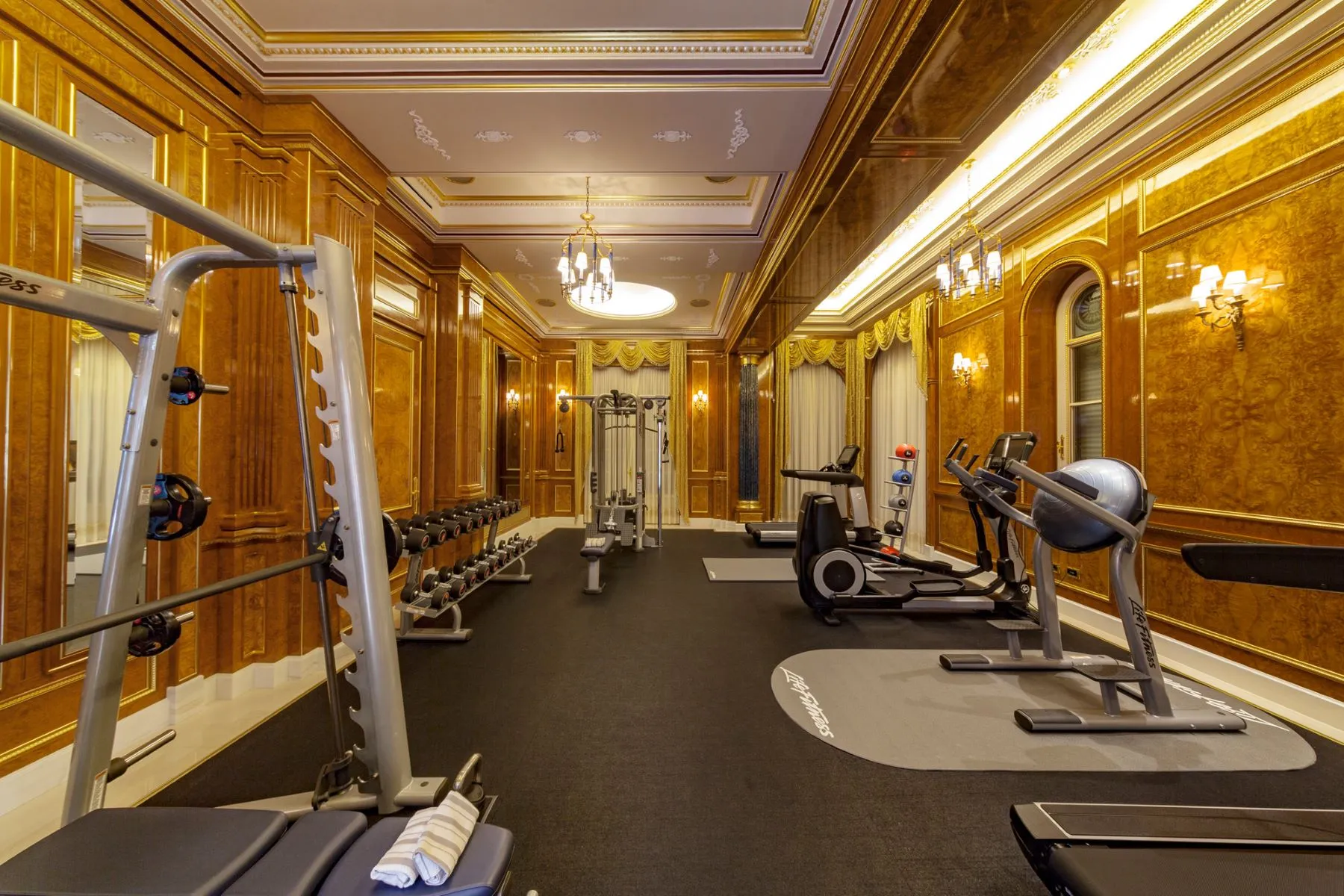
Its significance is amplified by the extraordinary specification. Natural marble and onyx mosaics, 14-karat gold mouldings, distinctive parquet flooring, silk carpets, crystal chandeliers and custom furnishings establish an interior environment deliberately positioned at the highest end of the luxury spectrum.
The result is a residence that functions simultaneously as private palace, entertainment estate, architectural statement and international trophy asset.
At more than 63,000 square feet, the property possesses the scale expected of an exceptionally rare ultra-prime estate while offering an unusually comprehensive collection of private amenities.
Courtesy
Architecture: Baroque & Rococo-inspired European Royal Private Residence
Main Residence: Approximately 63,130 sq ft / 5,864 m²
Estate: Approximately 2.71–2.72 acres
Property Type: Ultra-Luxury Private Palace / Trophy Estate
Market Segment: International Ultra-Prime Residential
Reported Asking Price: US$210 Million
KeyPrice Estimated Market Value (2026)
US$175 Million – US$225 Million
R665 Million – R855 Million (estimated)
The KeyPrice range reflects the property's exceptional approximately 63,130-square-foot living area, Caesarea coastal positioning, extraordinary architectural specification, palace-scale interiors, extensive amenity programme, landscaped grounds, swimming facilities, high-end security and smart-home infrastructure, and its highly unusual position within Israel's international trophy-home market.
The reported US$210 million asking price places the residence firmly within the global ultra-prime and trophy-property segment.
At this level, conventional residential price-per-square-foot comparisons become increasingly difficult to apply. The relevant market is not ordinary luxury housing, but a highly restricted class of private estates whose value derives from the combination of scale, architecture, land, amenities, privacy, provenance, construction quality and scarcity.
This is a KeyPrice Ultra Elite Collection market estimate rather than a formal valuation. Final market value would depend on verification of the complete title and site area, exact gross and net floor areas, construction quality, land characteristics, ownership and provenance, furnishings, security infrastructure, planning status, maintenance condition and ultimately the terms of any completed transaction.
Architectural Significance
The Caesarea Royal Palace derives its architectural significance from the convergence of several characteristics rarely found within a single private residence: monumental scale, European royal-inspired design, extraordinary material richness, resort-level amenities and a prestigious Mediterranean location.
The residence is not designed around minimalism or architectural restraint.
Its identity is deliberately theatrical.
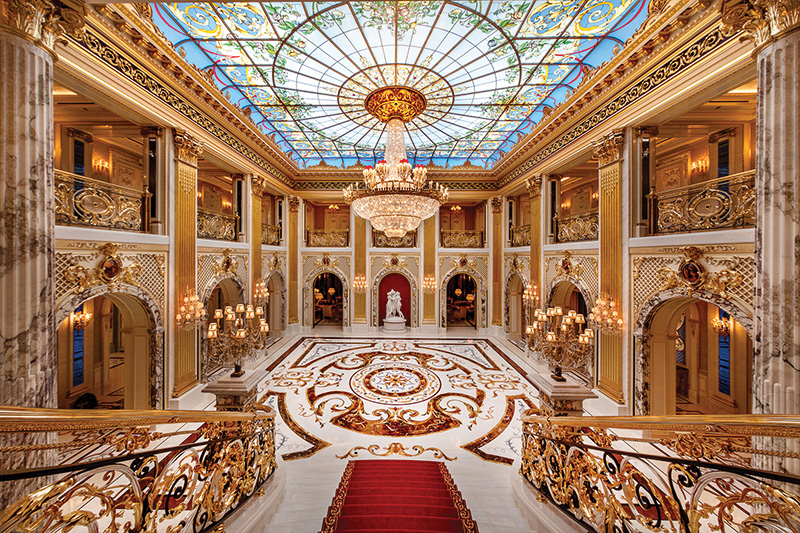
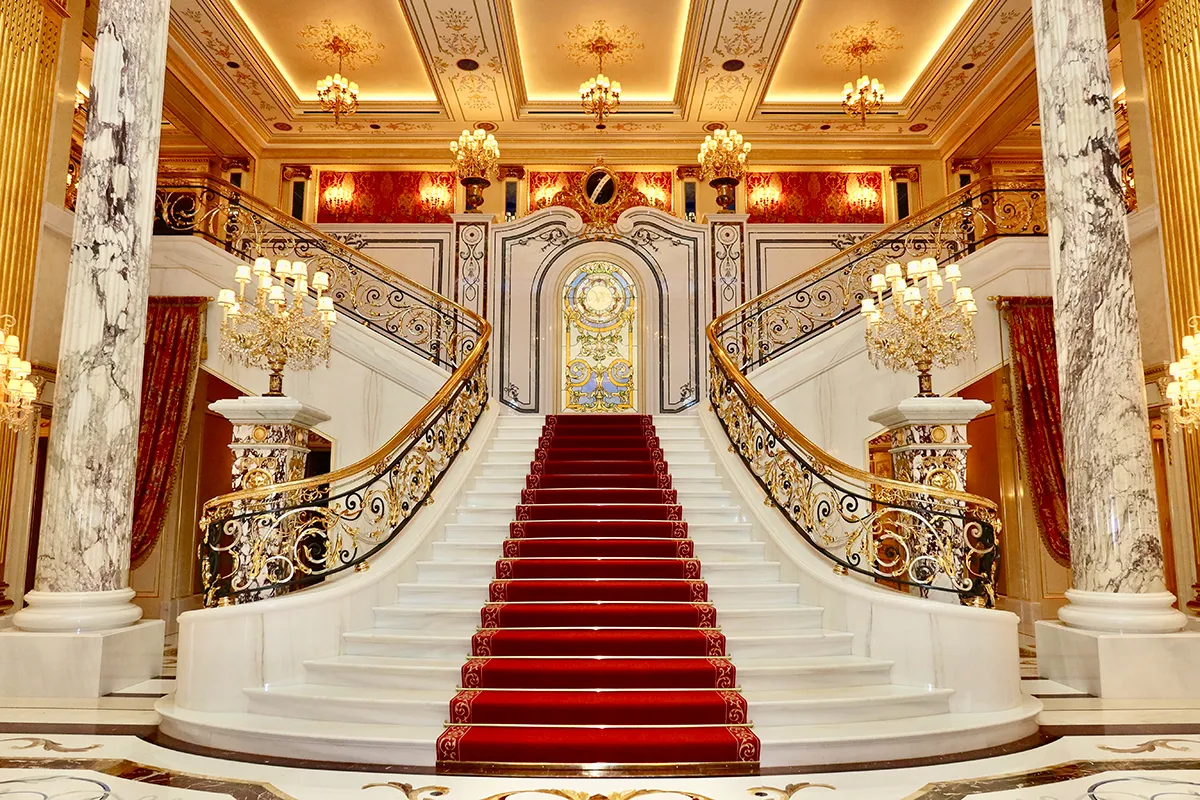
The approximately 2,475-square-foot grand hall establishes the character immediately, using marble columns and crystal chandeliers to create a ceremonial entrance more comparable to a palace or grand European residence than a conventional private home.
This architectural approach continues throughout the estate.
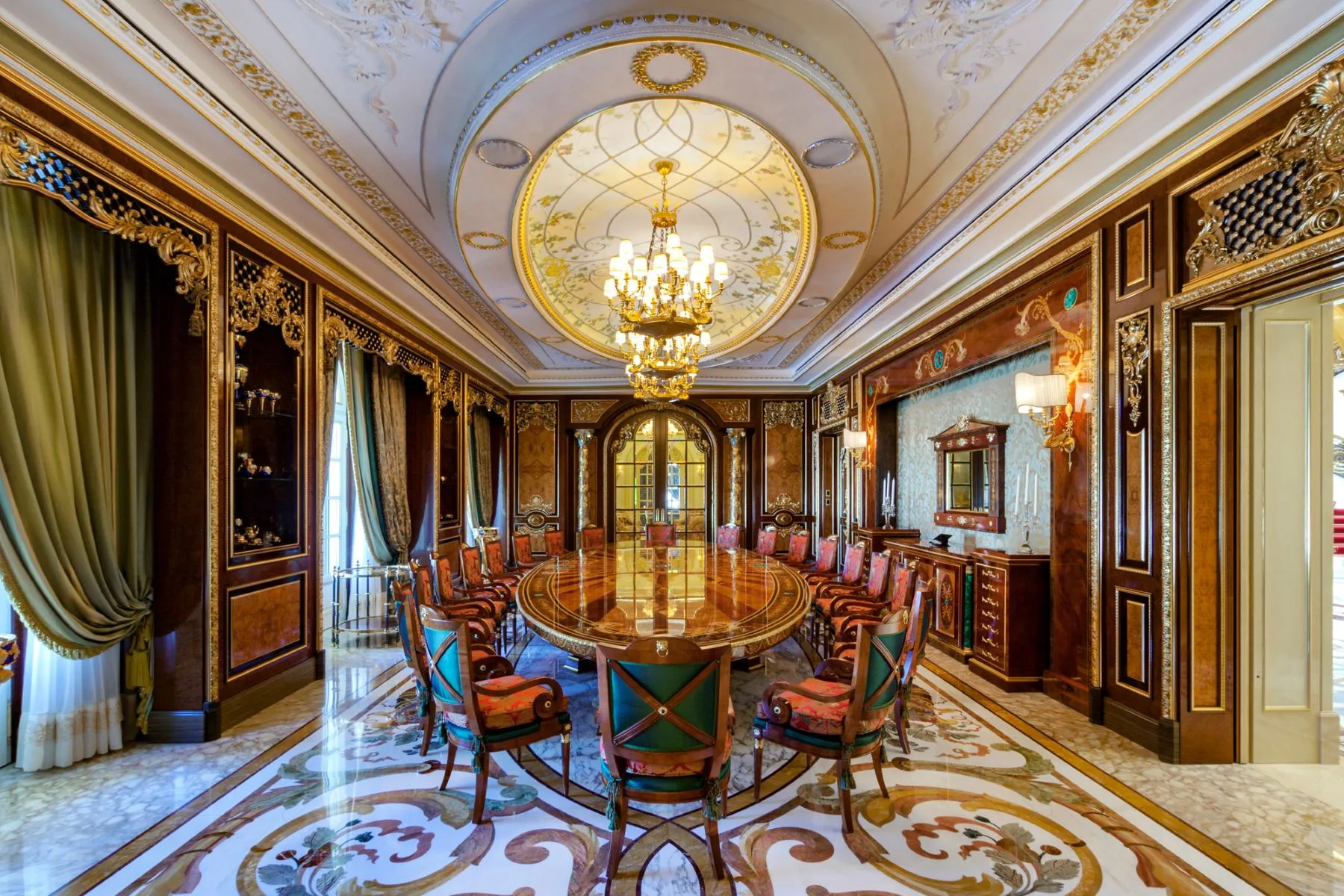
Natural marble and onyx mosaics, 14-karat gold mouldings, distinctive parquet flooring, silk carpets and custom furniture create a highly decorative interior vocabulary in which craftsmanship and material opulence become central components of the property's identity.
The residence also incorporates contemporary technology through high-tech controls, smart-home systems, security infrastructure and energy-saving systems, creating a deliberate contrast between historical European architectural references and modern residential functionality.
This combination is important.
At the ultra-elite level of residential real estate, architectural value is not determined solely by size. It increasingly depends on whether a property possesses a recognisable identity that differentiates it from the wider luxury market.
The Caesarea Royal Palace has such an identity.
It is recognisable precisely because it pursues the idea of the private European palace at an unusually large residential scale.
Signature Features
- Approximately 63,130 sq ft / 5,864 m² of living area
- Approximately 2.71–2.72-acre estate
- Caesarea coastal positioning
- Baroque and Rococo architectural influence
- European royal-style design
- Approximately 2,475 sq ft grand entrance hall
- Marble columns and crystal chandeliers
- Natural marble and onyx mosaics
- 14-karat gold mouldings
- Distinctive parquet flooring
- Silk carpets
- Custom-designed furniture
- Five bedrooms
- Five bathrooms plus 10 additional bathroom facilities
- Grand staircase
- Substantial master suite
- Two master bathrooms
- Two walk-in closets
- Two dressing areas
- Multiple en-suite bedrooms
- Private study
- Approximately 2,152 sq ft principal living area
- Formal dining room
- Separate breakfast room
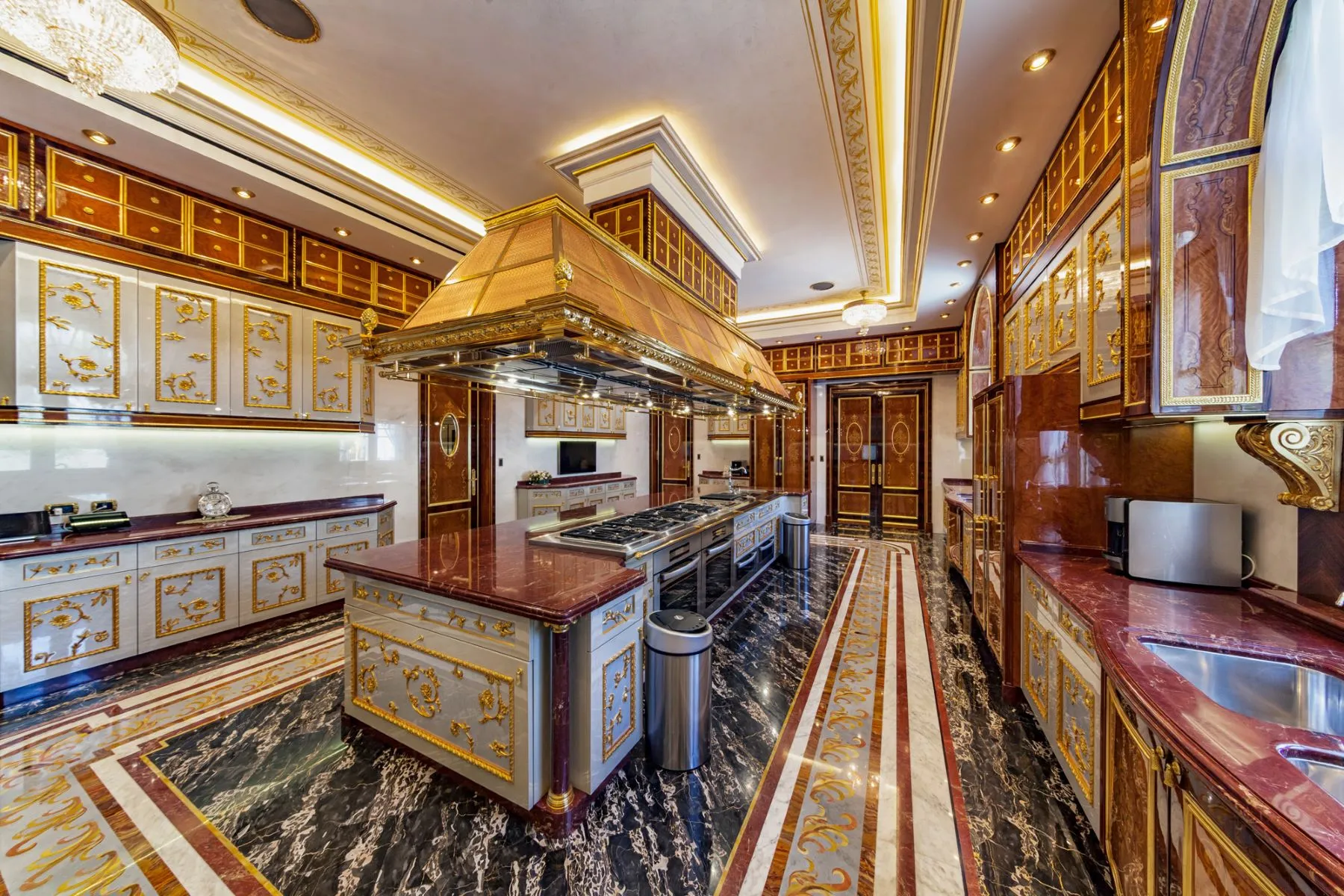
- Fully equipped chef's kitchen
- Library
- Private spa
- Private gym
- 4K cinema room
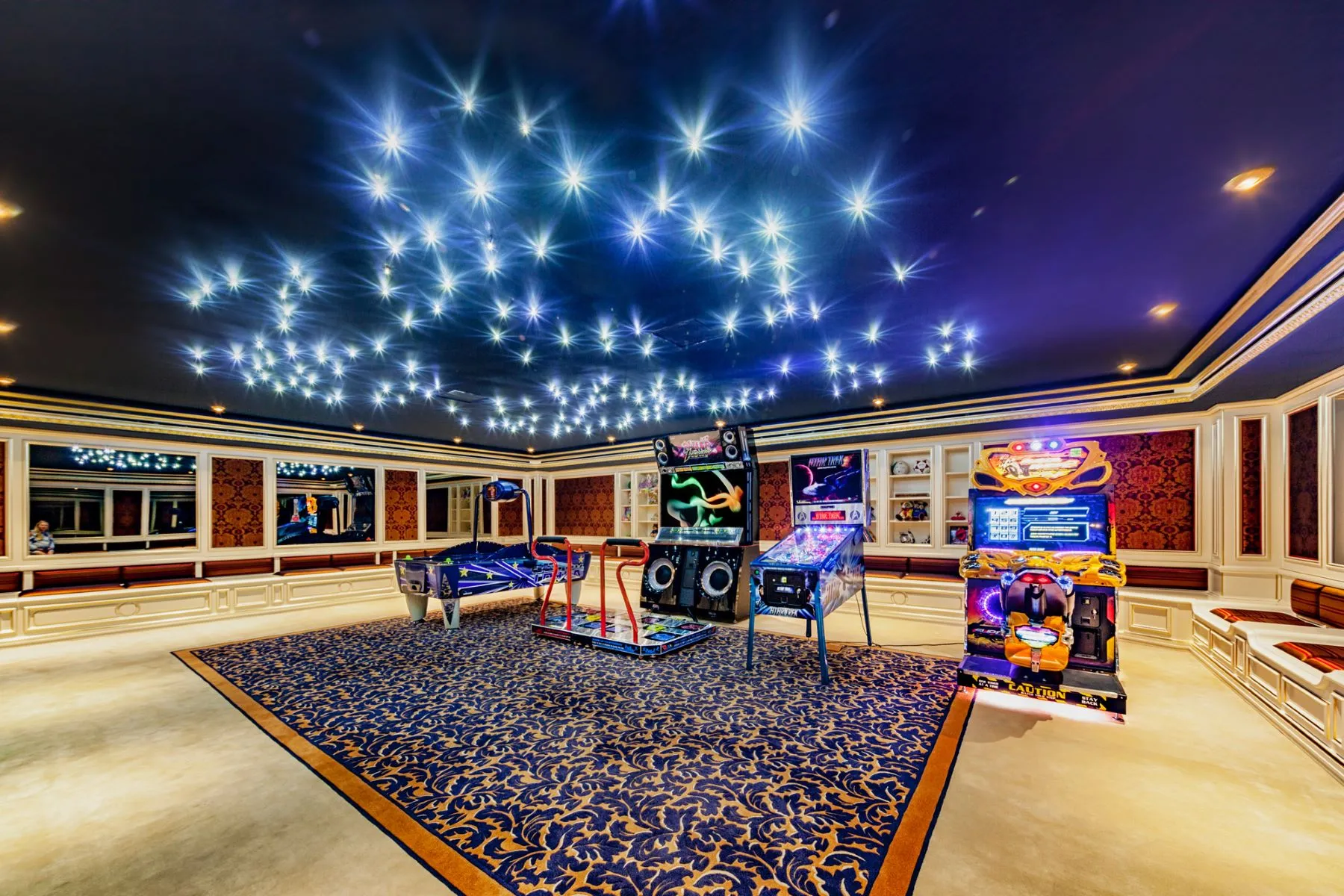
- Billiard hall
- Wine room
- Indoor heated pool
- Large outdoor swimming pool
- Built-in outdoor pool music system
- Giant outdoor television screen
- Landscaped gardens
- Two fountains incorporating Roman sculptures
- Monumental columns
- Sculptural landscaping
- High ceilings
- Sea-view orientation
- Smart-home technology
- Security system
- Eco-friendly energy-saving systems
- Two-storey configuration
- Extensive entertainment infrastructure
- Resort-style private estate planning
Caesarea Positioning
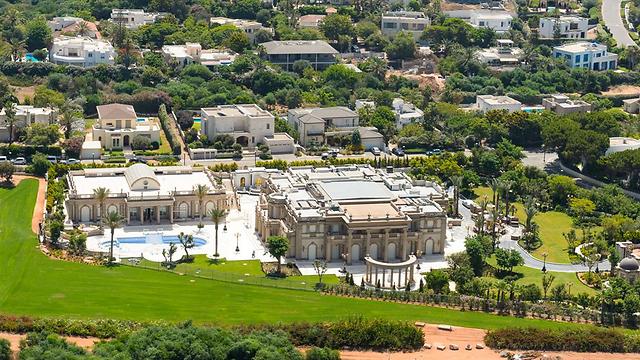
Caesarea occupies a distinctive position within Israel's luxury residential landscape.
Its appeal derives from the convergence of Mediterranean coastal living, historic significance, prestigious residential development, privacy and access to Israel's principal metropolitan centres.
Within this context, the Royal Palace represents an exceptionally different proposition from conventional high-end Caesarea residences.
Its scale alone creates a substantial degree of scarcity.
A residence exceeding 63,000 square feet is not simply a larger version of an ordinary luxury villa. It belongs to a fundamentally different category of residential property, requiring a substantial site, significant construction resources, extensive infrastructure and a buyer capable of supporting an estate of extraordinary complexity.
The architectural language reinforces this differentiation.
While much contemporary ultra-luxury residential development is centred around glass, concrete and minimalist geometry, the Caesarea Royal Palace embraces a deliberately historicist vocabulary inspired by European royal architecture.
This gives the property a highly specific identity.
The combination of Mediterranean location + palace architecture + enormous scale + private resort amenities creates a proposition that is difficult to reproduce elsewhere in the Israeli residential market.
Recognition & Publication Profile
The principal architectural distinction of the Caesarea Royal Palace derives from the completed residence itself and its unusually ambitious combination of architecture, interiors, landscaping and private amenities.
KeyPrice does not attribute unverified architectural awards, international design honours or publication credentials to the property without confirmed documentation.
Its Ultra Elite Collection designation is instead based on the observable characteristics supplied for the residence: extraordinary scale, distinctive Baroque and Rococo architectural expression, European royal-style interiors, exceptional material specification, extensive amenity infrastructure and rare trophy-property positioning.
This distinction is important.
Ultra Elite Collection does not require a residence to have won architectural awards.
It recognises properties whose combination of architectural ambition, scale, specification, scarcity, identity and market positioning places them within an exceptional category of private residential real estate.
In the case of the Caesarea Royal Palace, architecture is not simply a component of the property.
Architecture is the property’s defining identity.
Market Track Record
Property Position
The Caesarea Royal Palace is presented as an exceptionally large private residential estate in Caesarea, Israel, with approximately 63,130 square feet of living area and extensive palace-style interiors and amenities.
Architectural Position
The residence occupies an unusual position within Israeli luxury architecture, combining Baroque and Rococo references with European royal design and modern high-tech residential systems.
International Market Position
The reported US$210 million asking price positions the property within the global trophy-home category rather than the conventional luxury residential market.
At this level, the relevant comparison set extends beyond Israel.
The residence competes conceptually with exceptional private palaces, mega-estates and trophy residences internationally, where buyers evaluate properties according to rarity, architectural identity, scale, privacy, amenities and prestige rather than conventional residential metrics alone.
The buyer pool is therefore inherently narrow.
The property is principally relevant to ultra-high-net-worth individuals, family offices, private investors and international collectors of exceptional residential real estate seeking a residence that offers an experience unavailable through conventional luxury inventory.
Investment & Prestige Position
The Caesarea Royal Palace should be understood principally as a scarcity asset and prestige residence.
Its investment proposition extends beyond ordinary residential utility.
The property combines:
Caesarea geography + monumental scale + palace architecture + exceptional materials + extensive amenities + Mediterranean lifestyle + private-estate infrastructure.
This combination is difficult to replicate.
At US$210 million, the central investment question is therefore not simply whether the residence represents attractive value on a price-per-square-foot basis.
The more sophisticated question is:
What would it cost to recreate the same combination of land, architecture, construction scale, interior specification, landscaping, amenities, privacy and location — and could such a project realistically be reproduced under today's planning, construction and market conditions?
That replacement-cost perspective materially strengthens the property's trophy-asset positioning.
The residence's greatest potential strength is therefore its irreplaceability.
A conventional luxury property can potentially be substituted with another luxury property.
A private palace of this scale and specification is considerably harder to substitute.
KeyPrice Architectural Assessment
KeyPrice Ultra Elite Collection — Exceptional Distinction
The Caesarea Royal Palace represents one of the most ambitious forms of private residential architecture: the contemporary private palace.
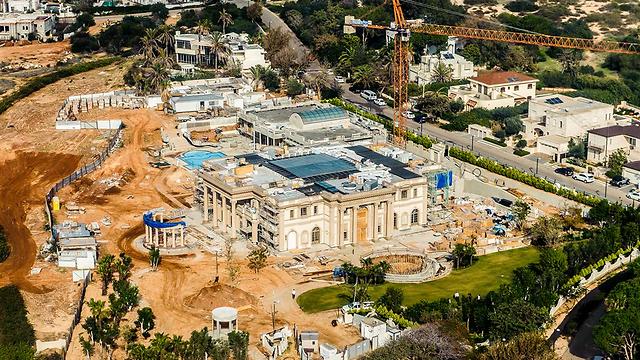
Its approximately 63,130-square-foot scale places the residence far beyond conventional luxury-villa territory, while its approximately 2.71–2.72-acre setting provides the estate environment necessary to support its monumental architecture, landscaped grounds and extensive private amenities.
Its architectural value derives particularly from its commitment to a coherent design language.
Baroque and Rococo influences, European royal-style interiors, marble and onyx surfaces, gold mouldings, crystal chandeliers, silk carpets and custom furnishings establish an environment intended to evoke the grandeur of a historic European palace.
The enormous grand hall provides an appropriate architectural centrepiece, while the grand staircase, monumental columns and sculptural fountains reinforce the ceremonial character of the estate.
Yet the property is not simply an exercise in historical reproduction.
The inclusion of smart-home technology, advanced security, energy-saving systems, cinema, private gym, indoor heated pool, wine room and sophisticated entertainment infrastructure introduces the expectations of contemporary ultra-high-net-worth living.
This creates an interesting architectural duality:
historic visual language + modern technological infrastructure.
The result is a property designed not merely for accommodation, but for private hospitality at an extraordinary scale.
The formal dining spaces, expansive living areas, library, cinema, billiard hall, wine room, spa and multiple outdoor entertainment facilities allow the residence to operate as a self-contained private resort.
The outdoor environment continues this philosophy.
Landscaped gardens, Roman-inspired sculptures, two fountains and a substantial swimming pool with integrated entertainment systems transform the estate into an environment designed around leisure, spectacle and private entertaining.
This is ultimately where the property separates itself from a conventional luxury residence.
It is not attempting to be simply bigger.
It is attempting to be palatial.
That distinction gives the property a powerful identity within the ultra-prime market.
The Caesarea Royal Palace should consequently be regarded not merely as a US$210 million residence, but as a rare Israeli trophy estate in which monumental architecture, European royal aesthetics, Mediterranean lifestyle and resort-scale private living converge.
KeyPrice Verdict
Architectural Classification: Ultra Elite Collection
Market Tier: Global Ultra-Prime / Trophy Palace
Architectural Distinction: Exceptional
Scale Profile: Extraordinary
Scarcity Profile: Extremely High
International Prestige: Exceptional
Amenity Profile: Exceptional
Architectural Identity: Highly Distinctive
Reproduction Difficulty: Extremely High
KeyPrice 2026 Market Position: US$175M–US$225M
Final Assessment
The ultimate question is not whether US$210 million is expensive. At this level, the question is whether another private residence in Israel can realistically offer the same combination of approximately 63,130 square feet, palace-scale Baroque and Rococo architecture, European royal interiors, extraordinary materials, extensive private amenities, landscaped grounds and Caesarea coastal positioning.
That combination is extraordinarily difficult to reproduce.
And that irreproducibility is precisely what gives the Caesarea Royal Palace its strongest KeyPrice Ultra Elite Collection credentials.